
24 Aug Physical Therapy Near Me for Spinal Stenosis Series (Part 2)
What are the signs and symptoms of Spinal Stenosis?
Patients seen in physical therapy who are diagnosed with spinal stenosis have a wide variety of symptoms. Spinal stenosis may cause symptoms such as:
- Pain, numbness, tingling, or weakness in your arms and shoulders, legs, or trunk.
- Occasional problems with bowel or bladder function
- Loss of balance and instability
If you have spinal stenosis in the neck (cervical spinal stenosis), you may have weakness, numbness, and pain in one or both arms and often in the legs, depending on which nerves are affected. You may or may not have neck pain. In the most severe cases of cervical spinal stenosis, these complaints can even involve the torso and legs as well.
If you have spinal stenosis in the lower back (lumbar spinal stenosis), you may have pain, numbness, and weakness in the lower back and one or both legs, but not in the arms.
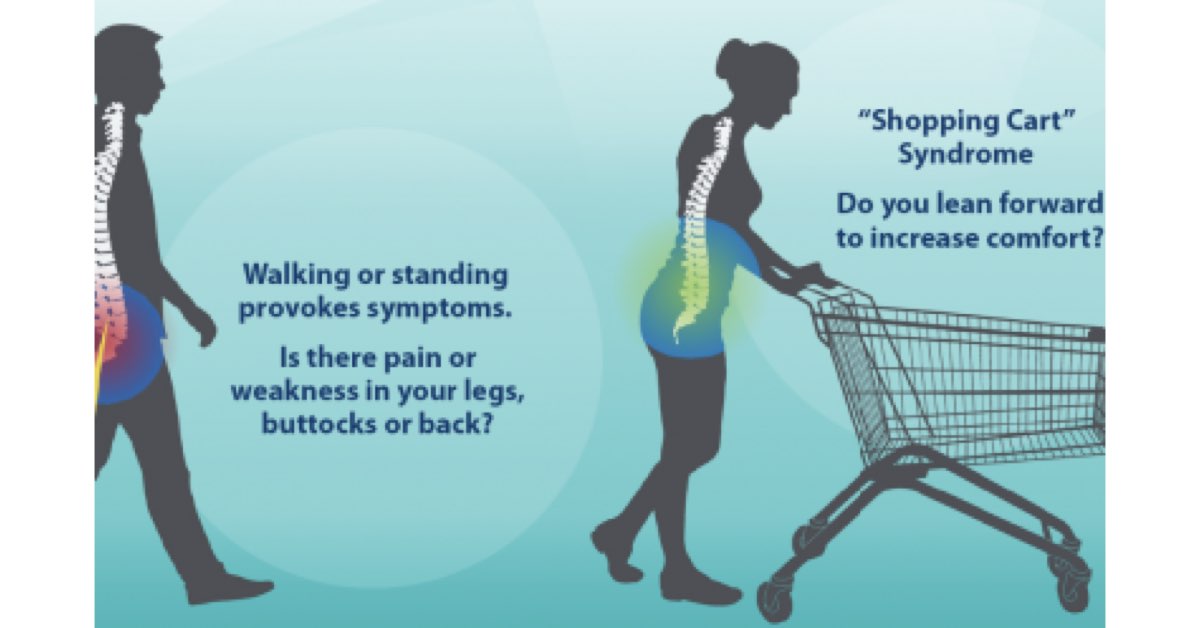
In physical therapy, patients diagnosed with lumbar spinal stenosis will commonly report that their symptoms may get worse with walking and improve with sitting. Walking is more comfortable when assisted with a shopping cart or a walker, which is commonly reported in physical therapy. Standing is commonly painful but can be relieved by resting on the forearms on a countertop or table.
Those seen in physical therapy for cervical stenosis will report that looking upward or even bending their head and neck to the side of greatest pain can be aggravating. Symptoms can be relieved when resting their head and neck in forward-bent positions or when side-bending away from their more sensitive side.
If you think that you may need physical therapy to address your spinal stenosis, contact the PT’s at Buffalo Back and Neck Physical Therapy. We are the area’s leading experts in treating back and neck pain.
Sorry, the comment form is closed at this time.