Physical Therapy for Lumbar Disc Herniations
Physical therapy (PT) is the gold standard for treating lumbar disc herniations, with a primary focus on reducing nerve compression, restoring movement, and building a “muscular corset” to prevent future
The Back in Motion Blog is a resource for our clients and patients here in the Western New York area and beyond. Our goal here is to help you prevent, treat and understand your issue. Whether you’re dealing with a nagging injury, recovering from surgery, or simply looking to move better in your daily life, you’ll find practical advice written in plain language — no medical degree required. Think of this as your go-to guide, brought to you by the team that knows Western New York bodies best.

Physical therapy (PT) is the gold standard for treating lumbar disc herniations, with a primary focus on reducing nerve compression, restoring movement, and building a “muscular corset” to prevent future

If you’ve ever felt that sudden, sharp zap down your leg or a dull, nagging ache in your lower back that just won’t quit, you know how quickly a disc

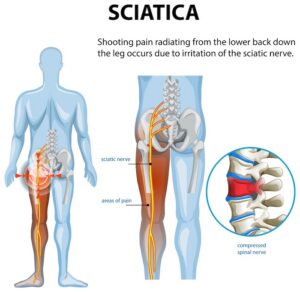
When you feel that unmistakable lightning bolt of pain searing from your glutes down to your toes, the first suspect is almost always a herniated disc. While lumbar spine issues account for roughly 90% of sciatica cases, the remaining 10% present a diagnostic puzzle. If your MRI shows a perfectly healthy lower back but your leg is still screaming, it’s time to look at extraspinal causes—the “sciatica mimics” that originate outside the vertebral column.

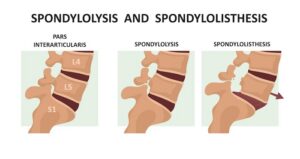
Spondylolysis or lumbar stress fracture is a stress fracture of a section of the lumbar spine. The area of the fifth lumbar vertebra is most often affected. The injury can

Research shows that in all but the most extreme cases of spinal stenosis (usually involving muscle weakness or high levels of pain), conservative care, such as physical therapy, achieves better

It is estimated that as many as 80% of us will experience some form of back or neck pain at some point in our lives. Spinal stenosis can be one

Physical therapy plays a crucial role in the evaluation and treatment of spine disorders, particularly low back pain and sciatica. These conditions are among the most common causes of disability

Once your range of motion improves, treatment moves toward strengthening your shoulder joint. A rotator cuff tear won’t heal on its own, but building up surrounding muscles takes some stress

Lumbar disc herniations can be significantly impacted by various activities, leading to pain and discomfort. Understanding these factors is essential for prevention and management. One of the primary activities that

Thoracic Outlet Syndrome (TOS) is a complex condition characterized by compression of nerves and blood vessels in the thoracic outlet—the space between the collarbone and the first rib. This condition

Back pain comes in many forms and can affect people in different ways. Pain in the low back, buttocks, and radiating pain down the leg are all forms of low

Acute neck pain is a common issue that can result from various factors, including muscle strains, poor posture, or injury. If you’re experiencing acute neck pain, physical therapy offers