Several Surprising Causes of Neck Pain
A sore neck can dog you in every position — lying down, sitting, standing, or walking — and the discomfort can be debilitating. The pain might come from structural neck

If you’re living with frequent headaches, you don’t have to just accept them as part of your life. The truth is that most headaches stem from tight neck muscles, stiff joints, and poor posture. That’s where physical therapy can make all the difference.
Why Do I Keep Getting Headaches?
Headaches are one of the top reasons people visit their doctor. For many sufferers, chronic headaches interfere with work, family time, and daily activities. Your headache pain often isn’t just “in your head.” Many types of headaches are directly connected to problems in your neck, jaw, and upper back.
Types of Headaches We Treat
How Physical Therapy Stops Headaches at the Source
Our headache treatment addresses what’s actually causing your pain by improving neck mobility, strengthening stabilizing muscles, correcting posture problems, and releasing muscle tension. Many patients discover their persistent headaches have been caused by neck dysfunction all along. Once we address these underlying issues, they experience relief that lasts.
Our comprehensive evaluation identifies your headache type and the physical factors contributing to it. We address muscle tension, neck and jaw joint problems, cervical disc issues, poor posture, and stress with proven treatment techniques.
If you’re looking to manage your headaches without relying on medication, our experienced physical therapists can help you find lasting, natural relief.
Manual physical therapy addressing muscle tension involves the release of trigger points, stretching the involved muscles and soft tissue, and restoring normal muscle function. Trigger point release can be accomplished with both manual and instrument assisted techniques.
Treatment of spine dysfunction may include mobilization/manipulation of the spine or jaw and the performance of stabilization exercises of the neck and shoulder girdle. Strengthening and stretching exercises to assist in correcting postural alignment are also often necessary to reduce the abnormal tension and compression that these tissues must endure. Most cervicogenic headaches that refer symptoms forward of the top of the head arise from the upper most segments of the cervical spine.
Decompression of irritated joints and discs throughout the cervical spine as well as of the nerve roots exiting the spine helps to relieve pain and inflammation leading to and perpetuating headaches. Treatment of spine dysfunction may include mobilization/manipulation of the spine or jaw and the performance of stabilization exercises of the neck and shoulder girdle.
Treatments emphasizing heat, ice, electrical stimulation, and ultrasound individually or in combination can help to interrupt the cycle of pain, swelling, spasm, and tightness in the soft tissues and joints of the head, neck and jaw.

A sore neck can dog you in every position — lying down, sitting, standing, or walking — and the discomfort can be debilitating. The pain might come from structural neck


Neck pain and back pain arising from disc injuries can resolve quickly if caught early. Unfortunately, in many cases, disc injuries can take several months to recover from. Although this
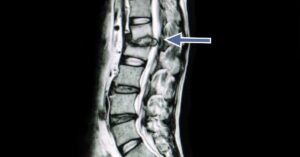
Did you know that you can influence the likelihood of getting a cervical or lumbar disc herniation? You can. Making a few lifestyle adjustments can have a significant impact on