Physical Therapy for Lumbar Disc Herniations
Physical therapy (PT) is the gold standard for treating lumbar disc herniations, with a primary focus on reducing nerve compression, restoring movement, and building a “muscular corset” to prevent future
Navigating your recovery can bring up many questions, and at Buffalo Back and Neck Physical Therapy, we want you to feel informed and confident from your very first visit. Whether you are curious about what to wear to your initial evaluation or how we tailor our specialized treatments to your specific needs, we have compiled the answers you need right here. Our goal is to ensure your path to wellness is as smooth and transparent as possible.
We are participating providers with a majority of all regional and national carriers. Feel free to ask our front office personnel if we participate with your insurance when you are scheduling for your first visit, and they will be happy to assist you. Contacting your insurance company directly using the customer service phone number on the back of your insurance card is often the easiest way to be certain. In the rare event that your insurance does not provide a benefit for physical therapy, or if you have already used up your benefit for the year, we offer an affordable private payment option.
No. New York State’s Direct Access Law allows you to be evaluated and treated for up to 10 therapy sessions or 1 month without a prescription. Injuries related to workers’ compensation or no-fault claims do require prescriptions in order to use your insurance benefit.
One hour of one-on-one examination and treatment will be scheduled for your first visit.
An average treatment session lasts between 30 to 60 minutes. More or less time may be necessary depending on the treatments you require.
Your therapist will discuss the details of your problem with you and provide an estimate of how long you will need therapy. The nature of your problem, as well as the severity, duration, and even your past medical history all play a role in your body’s rate of healing.
Contrary to the adage of “No pain, no gain,” the management of most orthopedic disorders should not result in significant pain following treatment. It is, however, possible that some discomfort may be present after working out with injured tissues. Your therapist will provide you with multiple options to manage any discomfort that you might have following your exercises to allow you to leave therapy feeling better than when you entered.
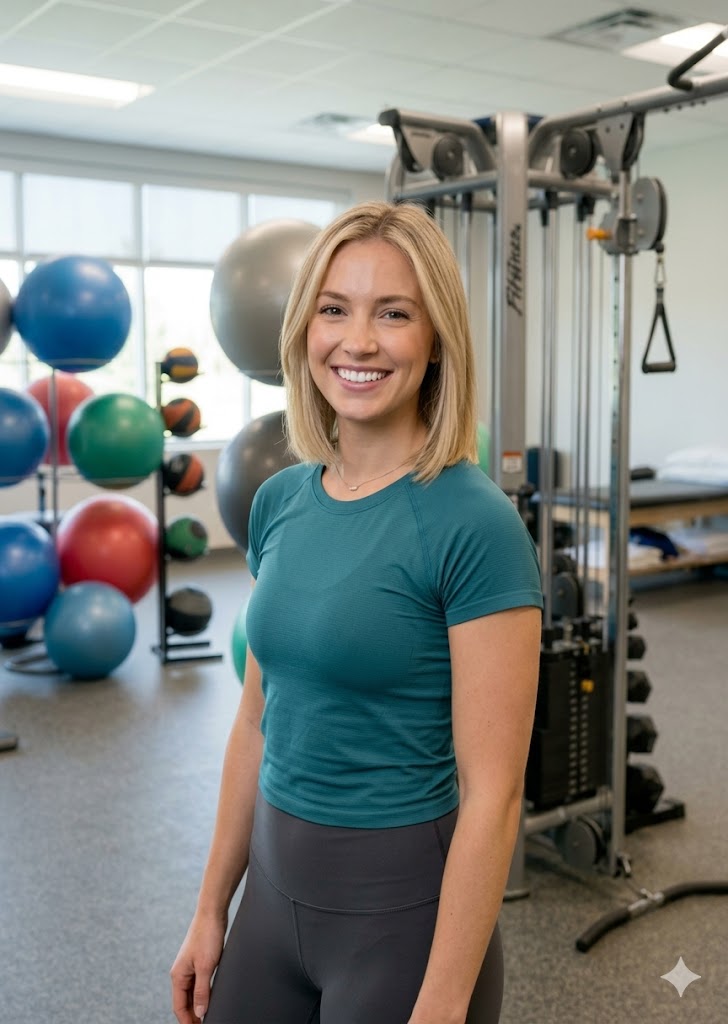
Attire: For your appointment at Buffalo Back and Neck Physical Therapy, we recommend wearing comfortable, loose-fitting athletic clothing that allows for easy movement.
Footwear: We suggest wearing supportive, closed-toe athletic shoes or sneakers, as you may be asked to perform balance exercises or use our rehabilitation equipment.

Physical therapy (PT) is the gold standard for treating lumbar disc herniations, with a primary focus on reducing nerve compression, restoring movement, and building a “muscular corset” to prevent future

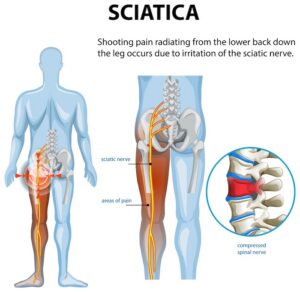
When you feel that unmistakable lightning bolt of pain searing from your glutes down to your toes, the first suspect is almost always a herniated disc. While lumbar spine issues account for roughly 90% of sciatica cases, the remaining 10% present a diagnostic puzzle. If your MRI shows a perfectly healthy lower back but your leg is still screaming, it’s time to look at extraspinal causes—the “sciatica mimics” that originate outside the vertebral column.

Spondylolysis or lumbar stress fracture is a stress fracture of a section of the lumbar spine. The area of the fifth lumbar vertebra is most often affected. The injury can