
17 Aug Preventing Lumbar Disc Herniations
Preventing lumbar (lower back) disc herniation requires targeted habits that reduce pressure on the lumbar intervertebral discs, improve spinal stability, and correct mechanical stresses that most often injure the L4–L5 and L5–S1 levels.
Key prevention measures
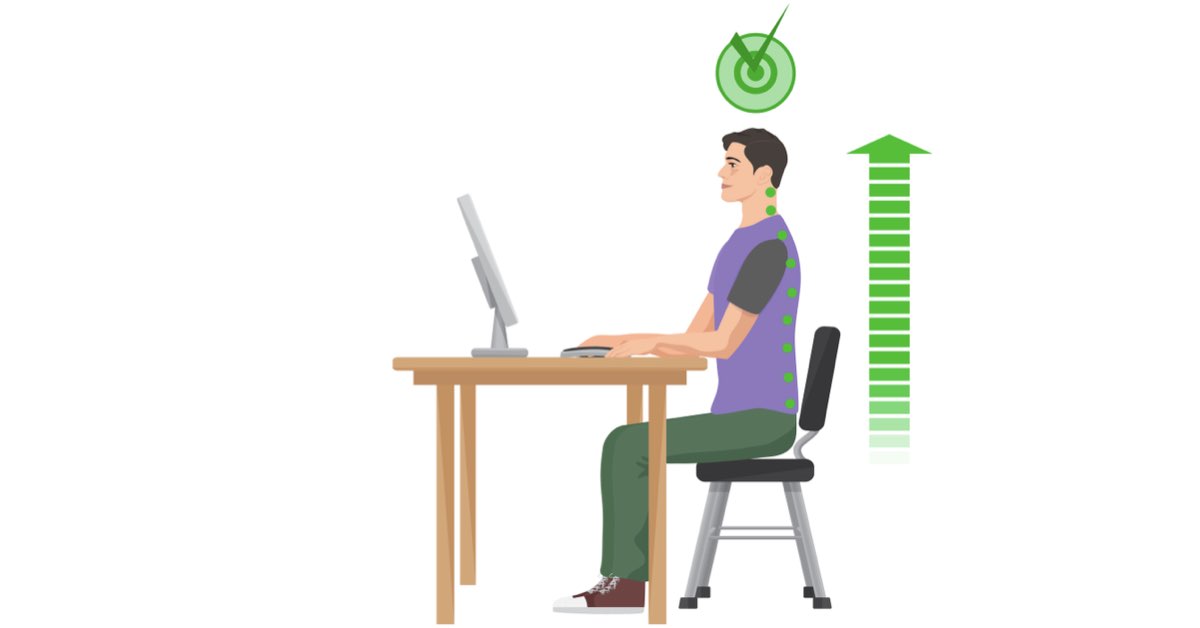
1. Maintain a neutral lumbar spine
- Sit and stand with the natural lumbar curve; avoid slumping or prolonged forward flexion.
- Use lumbar support (chair cushion or rolled towel) when sitting for long periods.
2. Use safe lifting and movement mechanics
- Hip hinge: bend at the hips and knees, keep the spine neutral, and use glutes and hamstrings to lift.
- Keep loads close to the body, avoid twisting while lifting, and break heavy loads into smaller parts.
- When turning, pivot with your feet rather than twisting your trunk.
3. Ergonomics for work and driving
- Monitor at eye level, keyboard and mouse within easy reach, and seat height so hips are slightly above knees.
- Use a lumbar-supporting chair and take microbreaks every 20–30 minutes to stand and move.
- For drivers, adjust seat tilt and lumbar support to maintain neutral spine.
4. Core and posterior chain strengthening
- Emphasize deep stabilizers (transversus abdominis, multifidus) plus glutes and hamstrings to reduce lumbar shear.
- Choose low-load, high-repetition core exercises (planks, dead bugs, bird dogs) before progressing to heavier lifts.
- When performing resistance training (squats, deadlifts), learn and maintain proper technique and avoid excessive spinal flexion under load.
5. Improve hip and hamstring mobility
- Tight hips and hamstrings increase lumbar flexion; add daily hip flexor stretches, glute mobilization, and hamstring lengthening.
- Include thoracic mobility work to reduce compensatory lumbar movement.
6. Cardiovascular health and weight management
- Regular low-impact cardio (walking, cycling, swimming) improves disc nutrition and aids weight control.
- Losing excess weight reduces axial load on lumbar discs.
7. Lifestyle factors
- Quit smoking — it impairs disc nutrition and accelerates degeneration.
- Manage chronic conditions (diabetes, osteoporosis) with medical care to reduce spine risk.
- Use a medium-firm mattress and sleep in positions that preserve lumbar alignment (side sleeping with a pillow between knees).
8. Reduce cumulative and repetitive strain
- Alternate tasks that require bending or lifting, use mechanical aids (dollies, lift assists), and limit prolonged sitting.
- Pace activities during heavy workdays and allow recovery time.
When to seek professional help
See a clinician if you develop persistent lower back pain radiating into the leg(s), numbness, tingling, or weakness — early assessment (primary care, physical therapist, or spine specialist) enables targeted rehab and prevents progression.
If you’re experiencing back pain and some of these associated other symptoms, don’t wait for pain to worsen. The therapists at Buffalo Neck and Back Physical Therapy can provide a comprehensive evaluation and develop a personalized treatment plan to help you return to pain-free living. Contact us today to schedule your consultation and take the first step toward better spinal health.
Sorry, the comment form is closed at this time.