
26 May Physical Therapy for Tendinitis
Physical Therapy for Tendinitis
If you’ve participated in a sport or had to perform a repetitive activity in the past, you may have dealt with tendinitis. Yes, it’s that achy elbow after you had to paint the living room or that sore knee your teenager keeps complaining of after basketball practice.
What is tendinitis?
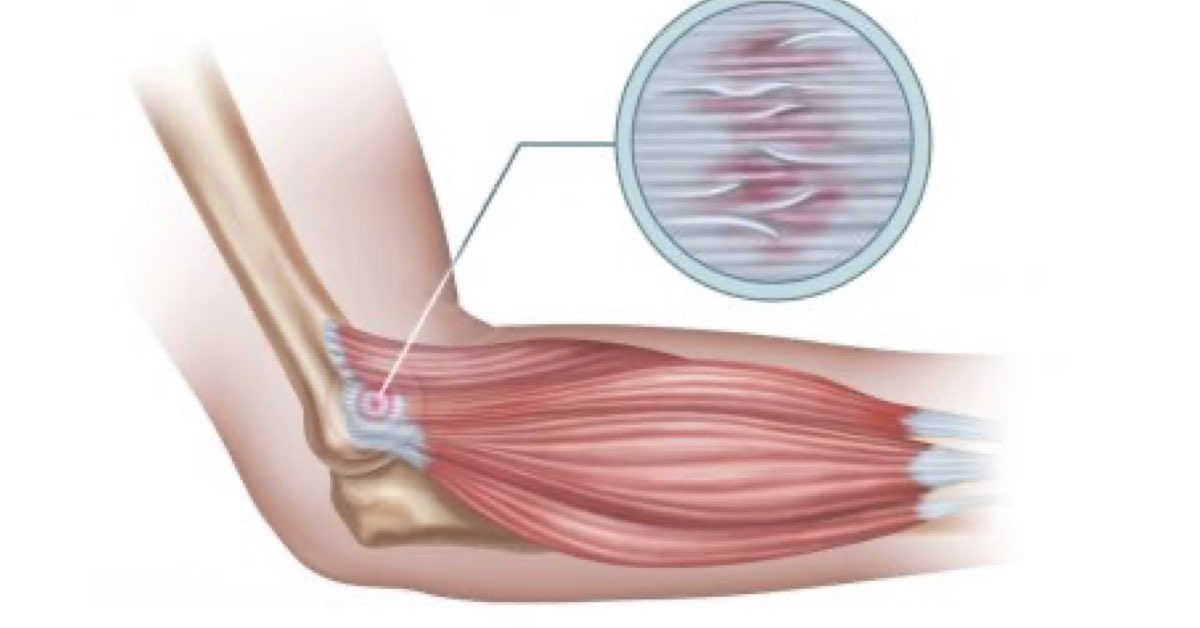
The term tendinitis actually has many names that convey slightly different messages. Tendinitis refers to an inflamed tendon. Tendinosis refers to a degenerative state of a tendon without inflammation. Finally, tendinopathy is an umbrella term that has not been properly defined to date.
Tendon injuries occur because the tendon is not able to withstand the amount of work you just performed. This may be due to a sudden increase in the mileage you are running, a long list of chores that had to get done over the weekend, or a change in the way your body has been moving that puts extra stress on a tendon. Either way, the load the tendon had to withstand was too much.
Typically, when you have an injury, the tendon first becomes inflamed. This is the sharp pain, swelling, and soreness you feel typically for a few days to a week. Sometimes, tendons can get past this inflammation without any intervention, and you return to normal activities. All good there.
Sometimes, tendons fail to get past this first stage, and you continue to experience pain and periodic flare-ups of inflammation. Persistent inflammation over time leads to changes in the tendon. This makes it harder for the tendon to withstand repetitive or difficult tasks. This can turn into a downward spiral with repetitive inflammation, further degeneration, and further cellular changes. Before you know it, you have been complaining to your family about elbow pain for 6 months, and they are just as tired of hearing about it as you are of dealing with it. This is the time when patients typically seek physical therapy for tendinitis.
Treatments for Tendinitis
- Activity modification is always the first line of treatment in physical therapy for tendinitis. This means altering or changing the activity that is leading to the tendon disorder in the first place. For example, reduce your running mileage if this is provoking your symptoms or switch to biking temporarily. The key to avoiding continued overuse of the tendon is
- Modalities such as ice, heat, electrical stimulation, ultrasound, and iontophoresis have been used in the past. In very severe cases, these modalities can calm symptoms; however, for the most part, research doesn’t show any long-term benefits of these treatments. Heat is a useful option in the treatment of tendinitis, as it prepares the tissue for work and stretching. Ice is an excellent treatment for tendinitis, as it reduces swelling and inflammation. Collectively, these options are useful adjuncts to the treatment of tendinitis, but they fall short of actually fixing the root of the problem.
- Taping or splints can decrease pain by providing support or decreasing the load on the tendon. Taping helps by altering how your body responds to a load. When treating patients with tendinitis, tape is useful to tape patients and have them repeat a painful movement afterward to see how effective this change was. Furthermore, tape can be used to unload or take away stress on a tendon when activity modification is difficult. Items such as splints are commonly used in the treatment of tendinitis of the ankles, knees, and hips. Arch supports can significantly reduce stress on several tendons throughout the leg and expedite recovery.
- Manual Therapy is the use of hands-on treatment for tendinitis to change the movement of a joint and the surrounding tissue (muscle, ligament, tendon, connective tissue). This includes joint manipulation (quick thrust), joint mobilization (oscillatory movements), soft-tissue mobilization (various forms of massage), and tool-mediated soft-tissue mobilization (the use of instruments on the tissue). In the case of a tendinosis, or degenerative tendon, manual therapy can be used to stimulate change in the tendon if the body is unable to do so on its own.
- Exercise done at the right frequency promotes change and is one of the most effective options used in physical therapy for tendinitis. Progressions of 5-10% per week typically elicit a rate of change that the body can handle to improve tendon strength. Not enough loading through exercise, and the body won’t respond. Too much loading through the tendon and you get a flare in your symptoms. Proper adherence to exercise is the most important part of treating a tendon disorder, and the dose is incredibly important.
Sorry, the comment form is closed at this time.